
“Different worlds.
Same dominance.”
TIGER VS LION
Compare their size, strength, speed, bite force, hunting style and fight simulations.
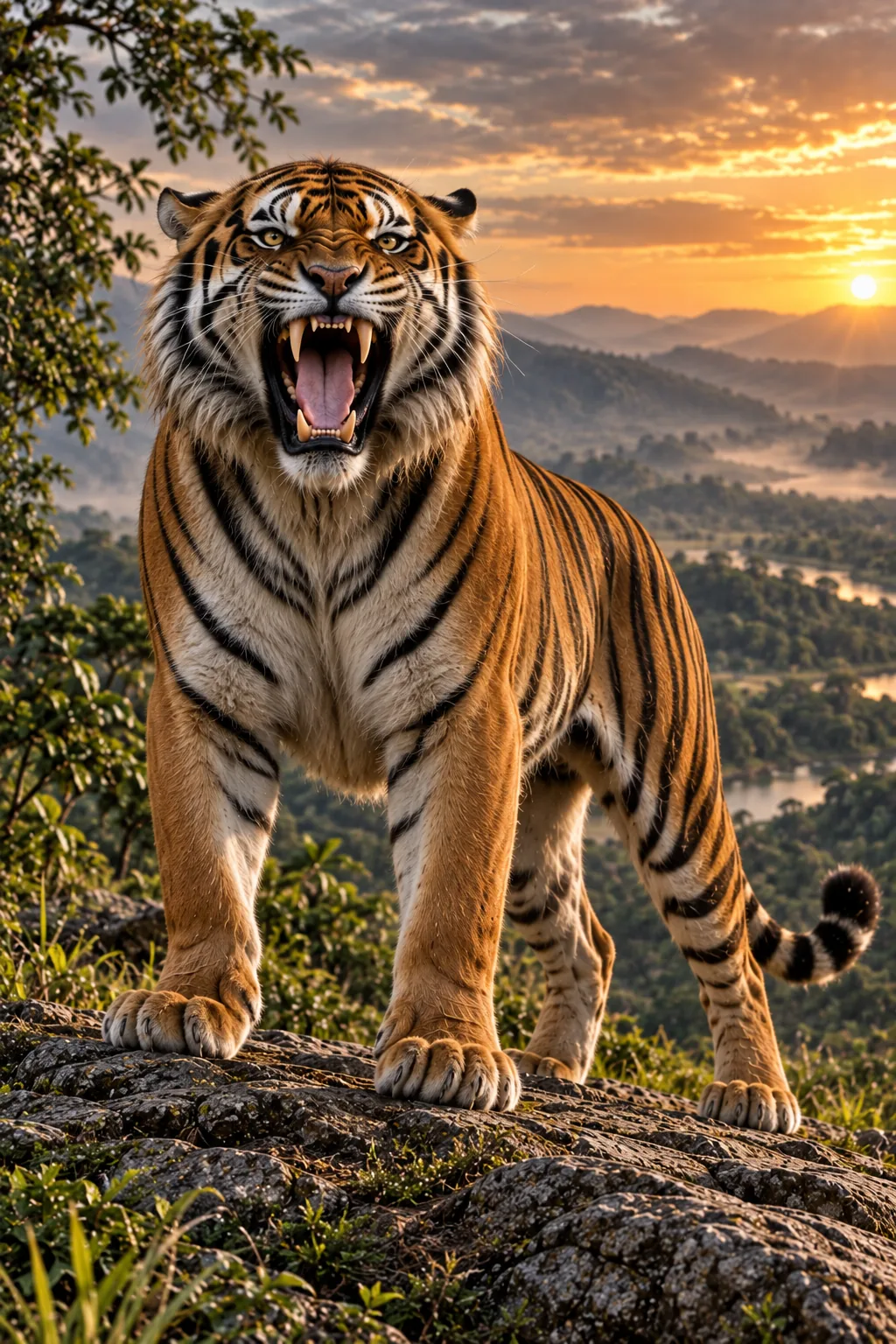
Bengal Tiger
Panthera tigris tigris
EndangeredThe iconic apex solitary predator of the Indian subcontinent.
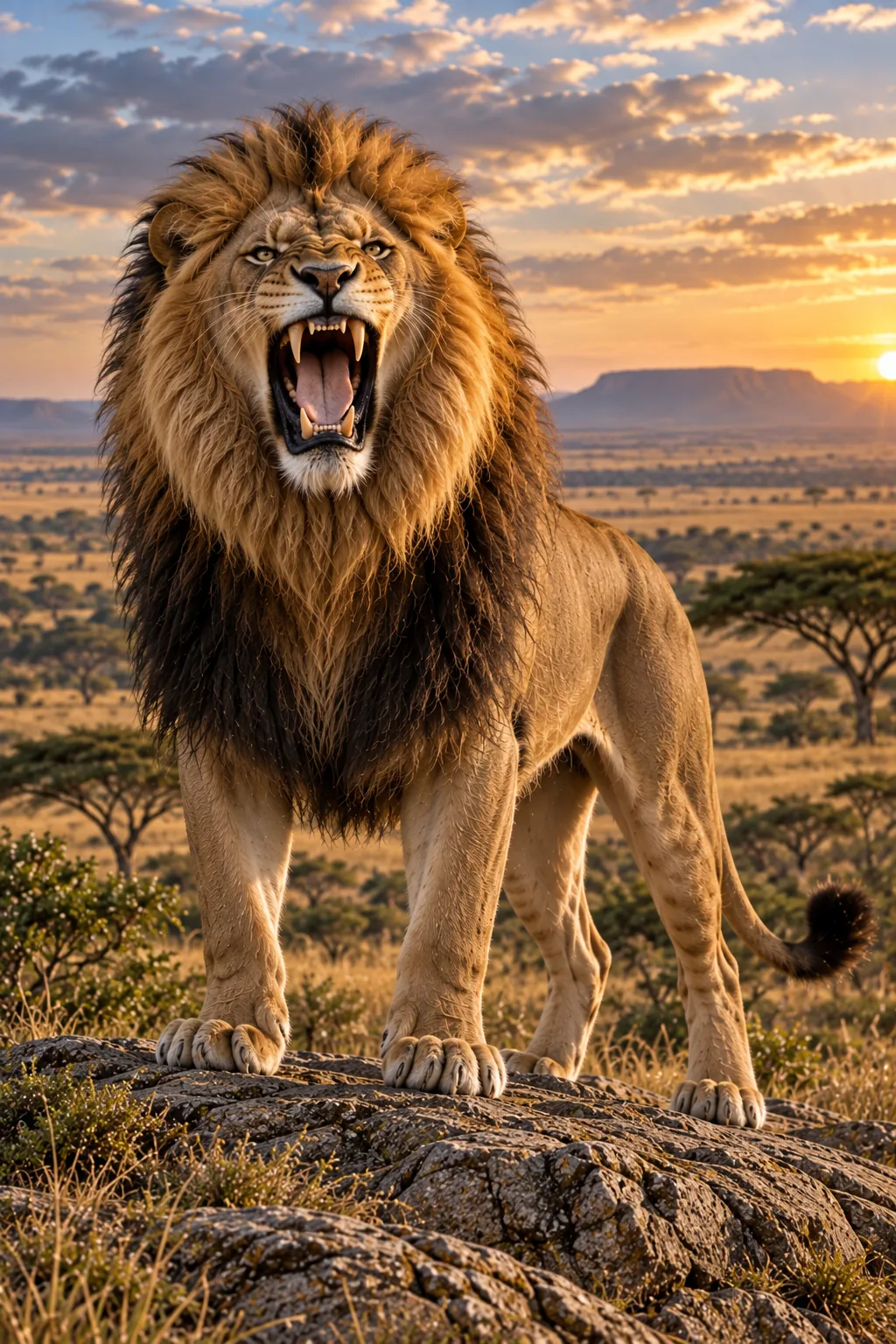
View Full Profile African Lion
Panthera leo
VulnerableThe undisputed social monarch of the African savanna.
View Full Profile Size Comparison
See how they compare in real world dimensions.
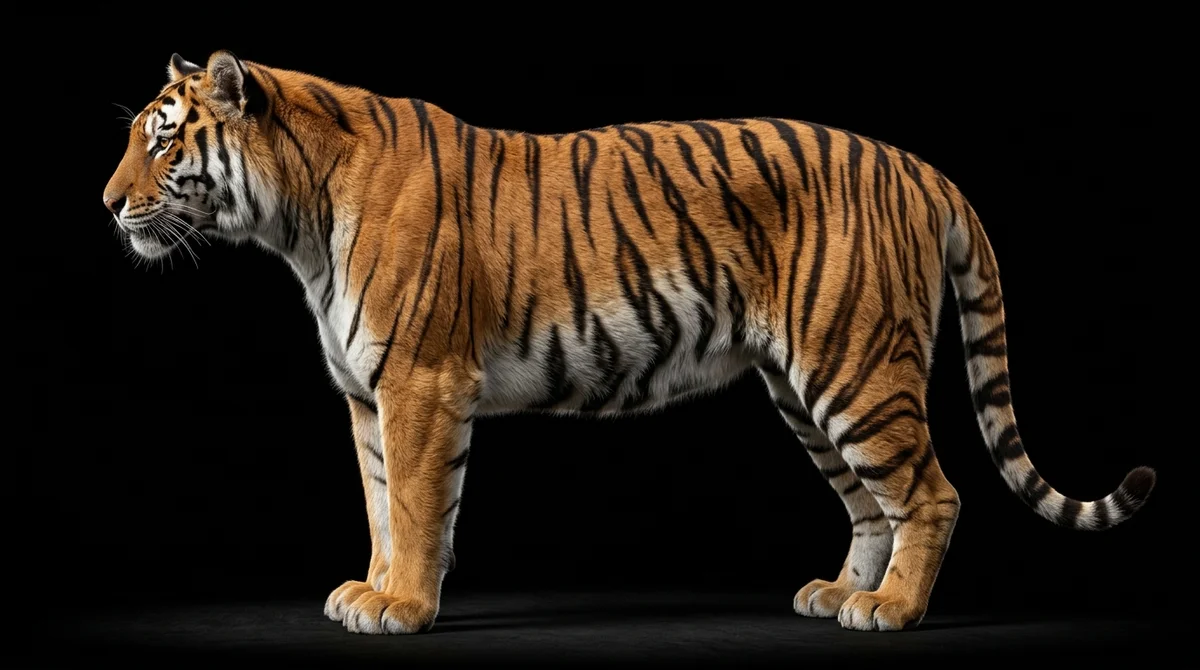
(1.8 m)
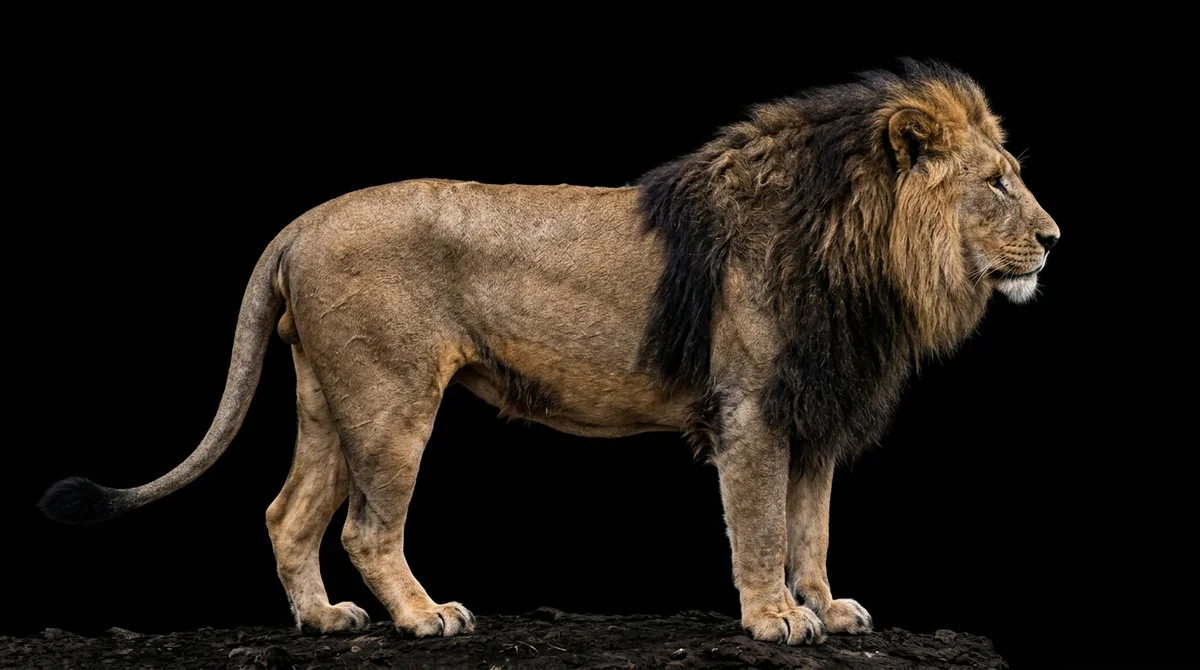
Key Stats Comparison
Side by side comparison of the most important attributes.
Strength
Tigers generally have a more powerful upper body and denser forelimb bones, while lions have high isometric grappling endurance and neck muscle mass.
Hunting Style
Tigers are solitary ambush hunters, relying on stealth and dense cover. Lions are cooperative pride hunters, using tactical encircling on open plains.
Habitat
Bengal Tigers live in deep tropical forests, mangroves, and taiga wetlands. African Lions inhabit open savannas, grasslands, and arid scrub.
Behavior
Tigers are solitary and fiercely territorial. Lions are social monarchs, defending pride territories through cooperative male coalitions.
The Verdict?
Both are magnificent apex predators. Tigers hold physical advantages in raw mass, bone density, and bite force (~1050 PSI vs ~650 PSI). Lions hold advantages in combat stamina, social coalition battle experience, and protective neck manes.
Different strengths. Same greatness.
Size & Mass Dimensions
Comparing mass, body length, shoulder height, and skeletal mass distribution.
Strength & Skeletal Physics
Forelimb bone density, swipe impact, wrestling leverage, and isometric power.
🐅 Bengal Tiger Physical Strength
- Forequarter Bone Density: Tigers possess thicker humerus and ulna bones, enabling lethal downward paw swipes with estimated forces exceeding 400 kg.
- Solo Grappling: Adapted to wrestle large ungulates (water buffalo, gaur) solo to the ground without pride assistance.
- Low Center of Gravity: Shorter rear stance provides immense low-ground wrestling stability.
🦁 African Lion Physical Strength
- Neck & Shoulder Mass: Lion males possess heavily developed neck trapezius and deltoids built for violent head-on clashes with rival males.
- Combat Wrestling: Regular skirmishes for pride territory give male lions immense isometric grappling durability.
- Chest Breadth: Broad pectoral girdle designed to clamp down prey while other pride members attack flank.
Speed, Acceleration & Agility
Burst speed vs endurance stamina across varied wild terrains.
Bengal Tiger
Explosive short burst acceleration from dense cover. Reaches peak speed within 3 to 4 strides, but tires rapidly over long pursuits due to massive muscular build.
African Lion
Faster top sprint on open plains. Exceptional straight-line pursuit speed (~80 km/h) designed to intercept fleeing savanna ungulates in coordinated pride drives.
Bite Force & Dental Weapons
Pounds per square inch (PSI), canine length, and skull zygomatic arch width.
Claws & Paw Mechanics
Retractable curved talons and swiping surface area.
🐅 Tiger Claws
Tigers possess fully retractable claws up to 10 cm (4 inches) in length, kept razor-sharp in specialized epidermal sheaths. Their wider paw pads provide immense surface friction when stalking over wet soil and slippery rocks.
🦁 Lion Claws
Lions possess retractable claws reaching approximately 7.5 cm (3 inches). Built heavier to withstand violent high-speed impacts on hard savanna clay and rocky outcrops, functioning as lethal anchor hooks when wrestling prey.
Hunting Tactics & Predation
Solitary deep-cover ambush vs cooperative pride encirclement.
🐅 Solitary Stalker (Bengal Tiger)
Bengal tigers are opportunistic predators, primarily hunting deer, wild boar and other large mammals. They rely on stealth, patience and powerful ambush attacks, often using water and dense vegetation to get close to their prey.
🦁 Pride Cooperative (African Lion)
Lions utilize complex cooperative hunting tactics where agile lionesses encircle and flush prey into waiting ambushes, while heavy males help bring down dangerous game like Cape buffalo.
Habitat & Ecological Biome
Climate adaptations, terrain agility, and water affinity.
🌲 Bengal Tiger Domain
Tropical forests, alluvial grasslands, mangrove swamps (Sundarbans). Tigers are supreme swimmers, comfortably patrolling wide rivers and mangrove channels in temperatures ranging from -40°C in taiga to 45°C in tropical jungles.
🏜️ African Lion Domain
Open grasslands, savanna woodlands, semi-desert plains. Adapted to arid savannas, grasslands, and acacia woodlands with high thermal tolerance, surviving extended dry seasons by obtaining moisture from prey.
Appearance & Morphological Armor
Camouflage patterns vs intimidating manes and coat protection.
🐅 Tiger Camouflage
The Bengal tiger has a rich orange coat with bold black stripes and a white underside. It has a muscular build, powerful forelimbs and a broad head, giving it exceptional strength and presence.
🦁 Lion Mane & Build
Tawny yellow coat, muscular barrel chest, tufted tail, and golden to dark-brown male mane that signals age, vigor, and combat readiness.
Behavioral Psychology & Combat Temperament
Solitary nocturnal predator vs social pride defender.
🐅 Tiger Temperament
Bengal tigers are mostly solitary and territorial. They are excellent swimmers and are most active during dusk and night. They rely on stealth and ambush to hunt, using their strength and agility.
🦁 Lion Temperament
Highly social, living in prides of up to 30 individuals. Males defend territories against rival coalitions while females coordinate perimeter encirclement hunting.